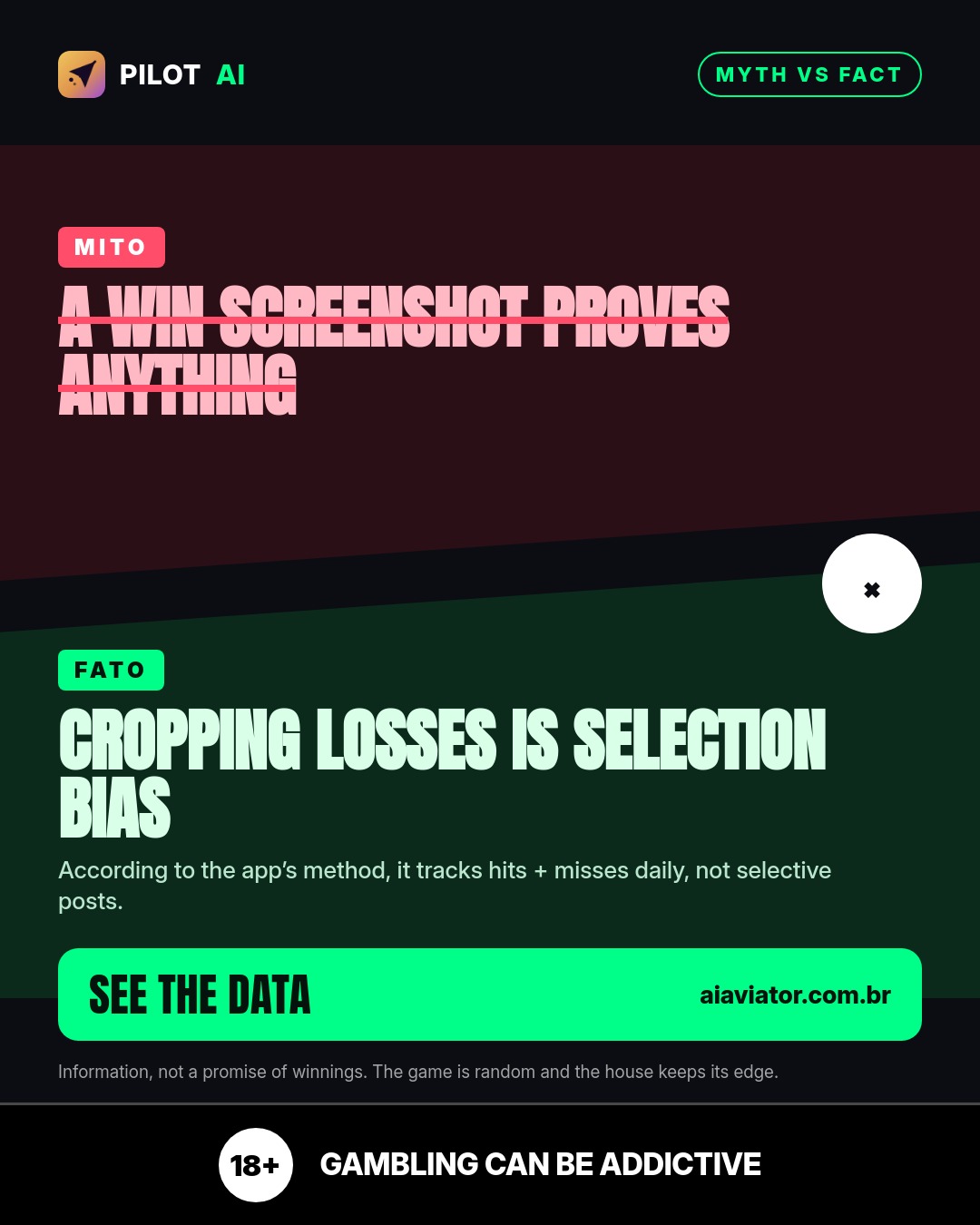
A win screenshot proves nothing: loss cuts create selection bias
A “win” screenshot can be misleading: it shows only what the person chose to display. According to the app’s method, it tracks wins and losses day by day.
 EN
EN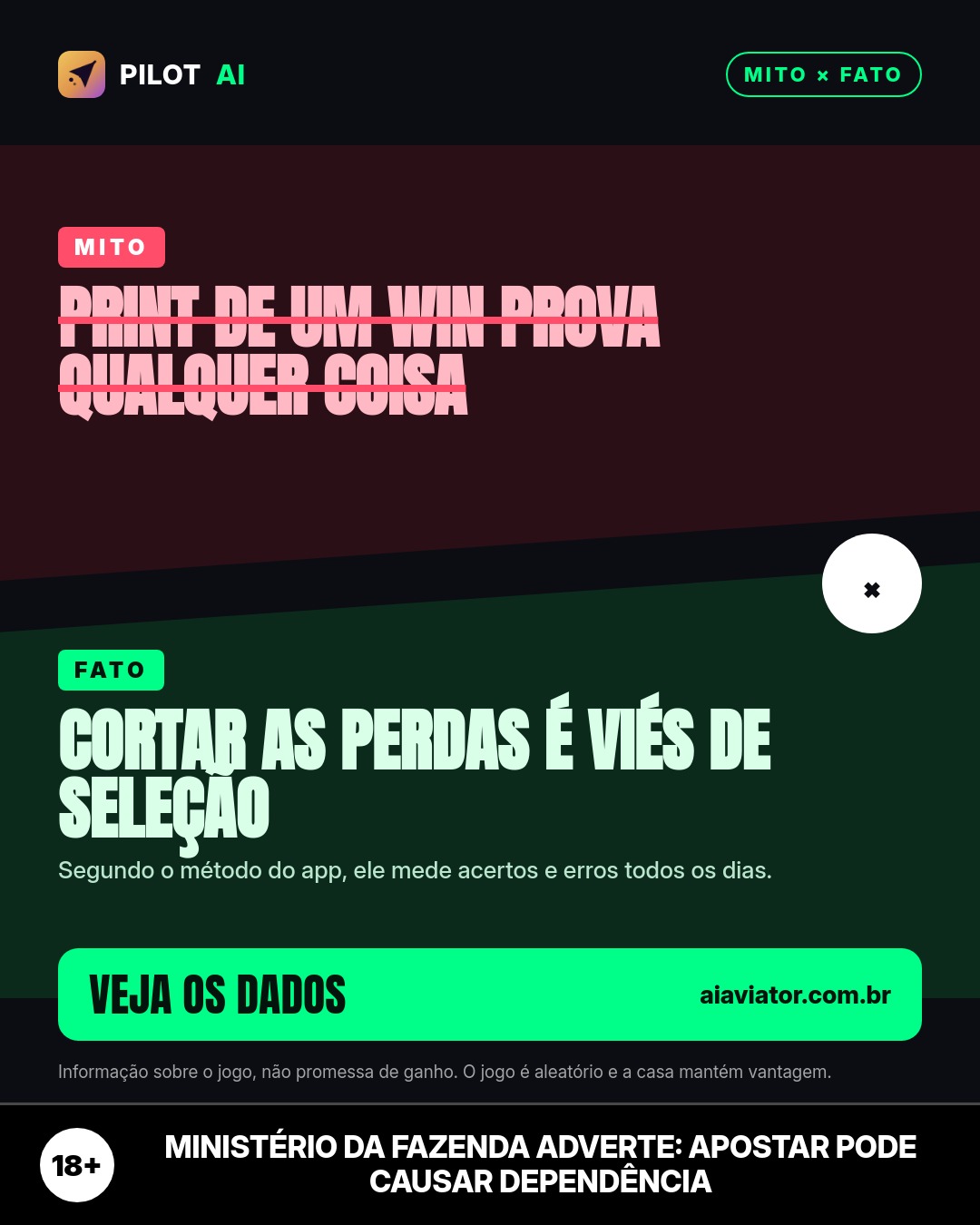 PT
PT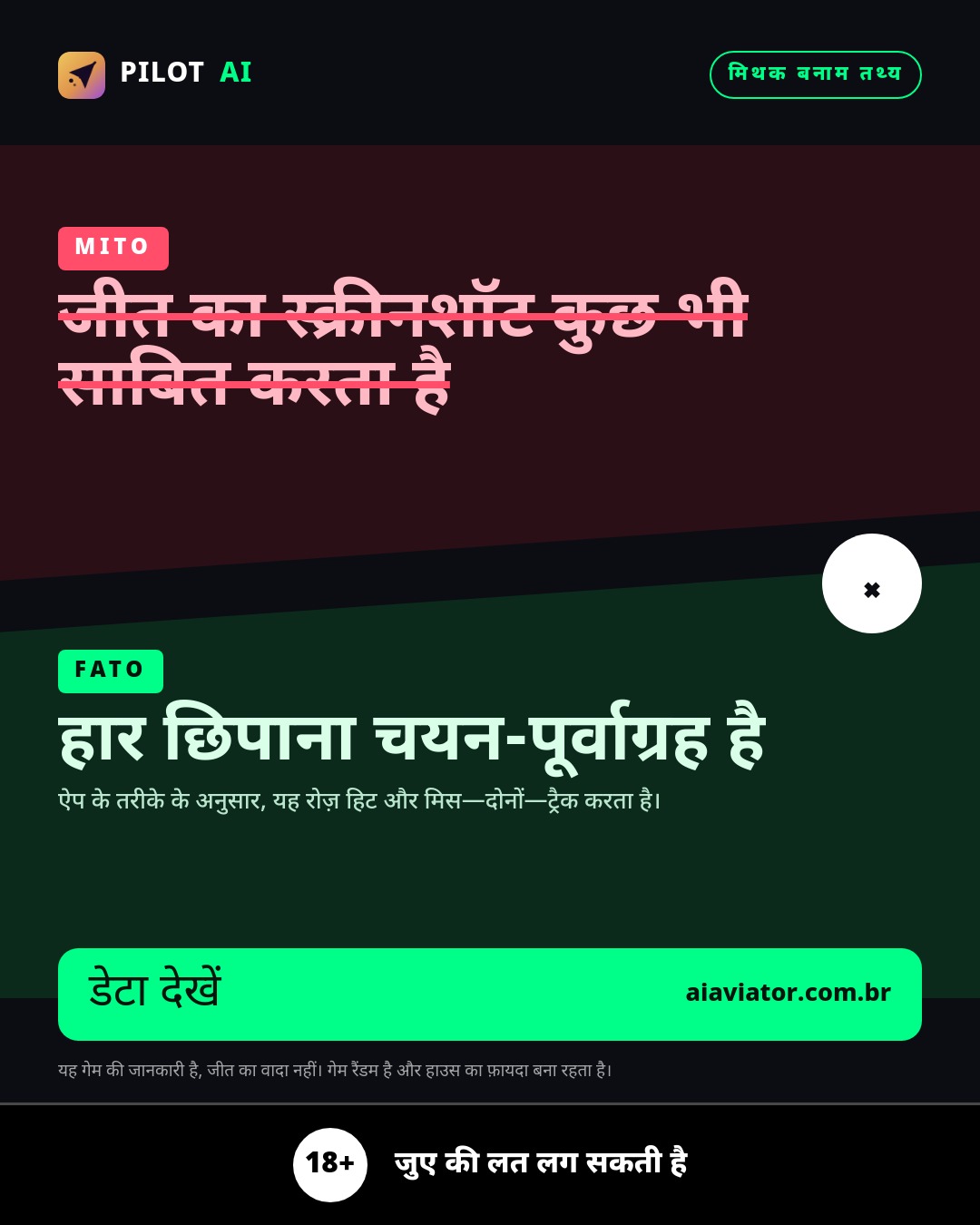 HI
HI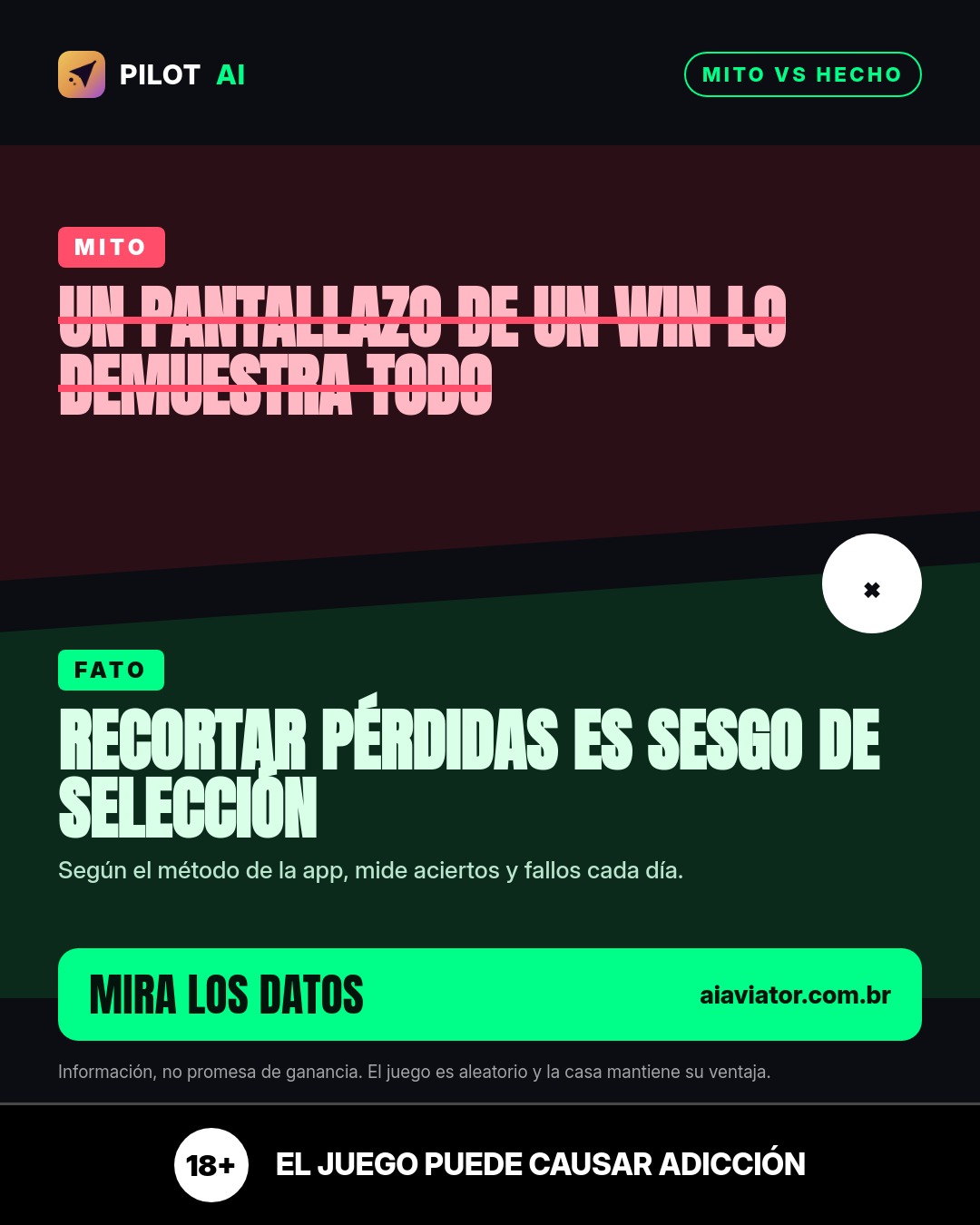 ES
ES“A screenshot of a win proves anything”? That’s exactly where selection bias comes in. A screenshot of a win is not the full story — and, according to the app’s method, what matters is what’s left out of the screenshot and what appears in the daily follow-up: wins and losses.
1) The screenshot shows only what was selected (and hides the rest)
When someone shares a screenshot of a win, what you see isn’t the “entire history”: it’s only a cut-out. In the standard theme model, the practice can result in selecting the best moment and hiding what didn’t look good.
According to the app’s practice, the screenshot shows only what its author chose to show: the wins get posted, while the losses stay out of the frame (selection bias). In practice, the user’s reading becomes an “incomplete picture” because the screenshot doesn’t include what happened before, or what happened after.
2) The app treats the result for the whole day, not just the highlight
A common question is: “if a win was shown, then why not conclude it was good?”. The point is that the conclusion depends on how much of the scenario was observed. In the standard model, when the sample is incomplete, the interpretation is incomplete too.
According to the app’s practice, the app publishes hits and misses together every day, never a selective screenshot. This reduces the chance that you compare only the best cut-out with an overall perception of what actually occurred.
And to provide context for the follow-up, the app’s method operates with 626.098 monitored rounds since the start of measurement and 930.424 predictions generated. The product’s goal is to show what was measured day by day — not just what “looked good” in an image.
3) What seems like a “proof” may only be a partial sample
A win recorded in a screenshot may seem like proof because the mind looks for patterns in what’s visible. In the standard model, that pattern becomes distorted when the unfavorable part is cropped out.
According to the app’s practice, the central message is twofold: (1) the screenshot shows only what was selected to be displayed, with losses cropped out; and (2) the app publishes wins and losses together every day, so you don’t rely on cut-outs. When you compare these two logics, it becomes easier to understand why a single print doesn’t close the picture.
Instead of “posting to prove,” Aviator AI works with continuous measurement of what was predicted and what happened, putting together a picture that doesn’t depend on manual selection of moments.
In the app
In Aviator AI, you find what the app actually monitors and records: the daily routine with hits and misses shown together. Instead of relying on a single selected image, the product follows the app’s method that measures wins and losses in the period — every day.
Responsible game: 18+ and information first. Aviator AI helps you observe measured results; even so, decisions must be made consciously and within personal limits. Information about the game, not a gain promise. Past results do not determine future ones.
Frequently asked questions
Why doesn’t a win screenshot prove anything?
According to the app’s practice, the screenshot shows only what its author chose to show: the wins get posted and the losses are cropped out (selection bias).
Does the app also show losses or only wins?
According to the app’s practice, the app publishes hits and misses together every day, never a selective screenshot.
How big does the Aviator AI follow-up have to be in terms of history?
Since the start of measurement, there are 626.098 monitored rounds and 930.424 predictions generated.
Share