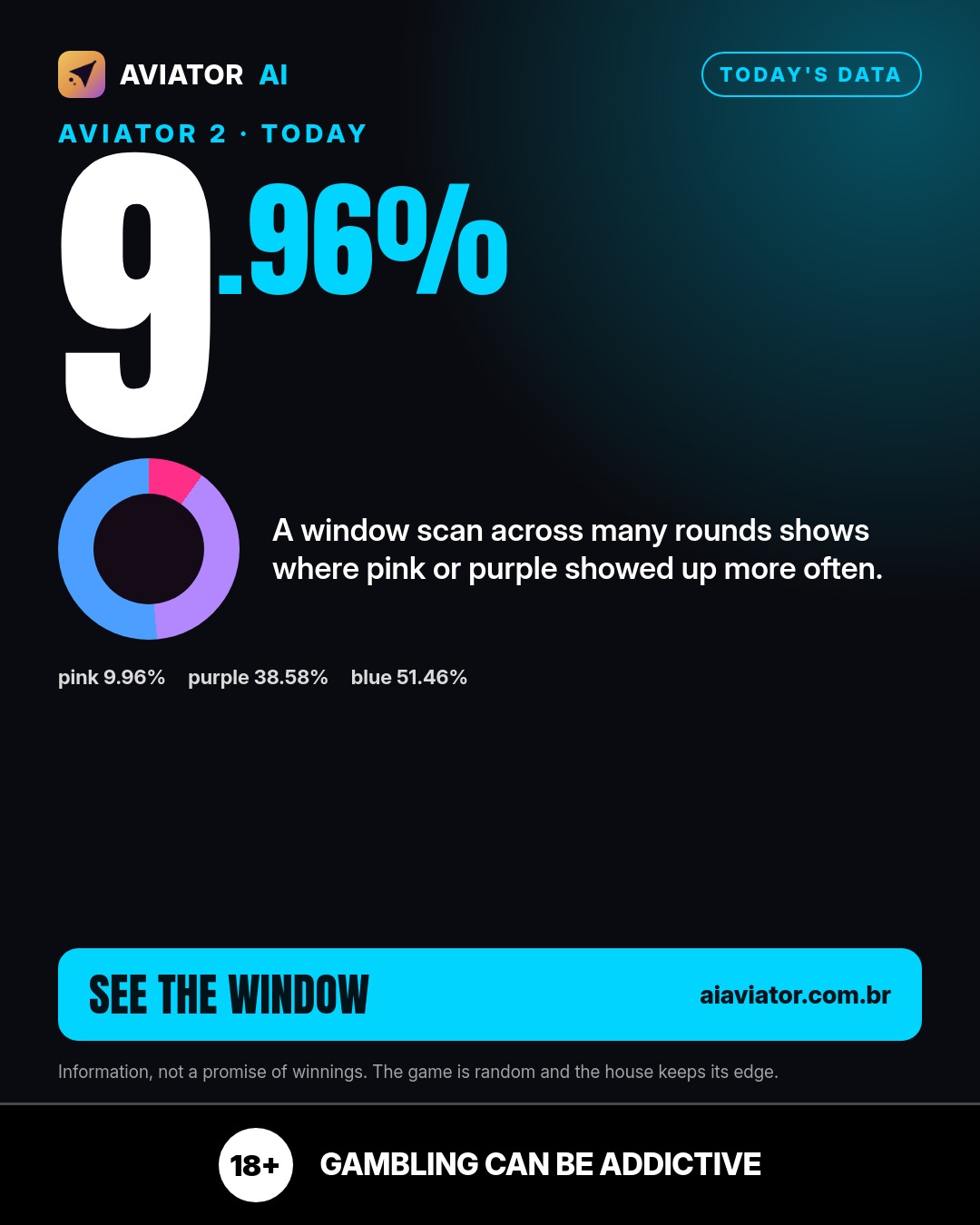
The reading of the window across many rounds shows where pink or purple appeared more often
Today's tip reinforces that the radar looks at a window across many rounds, not a single round. This is how the reading gains context and avoids hasty interpretation.
 EN
EN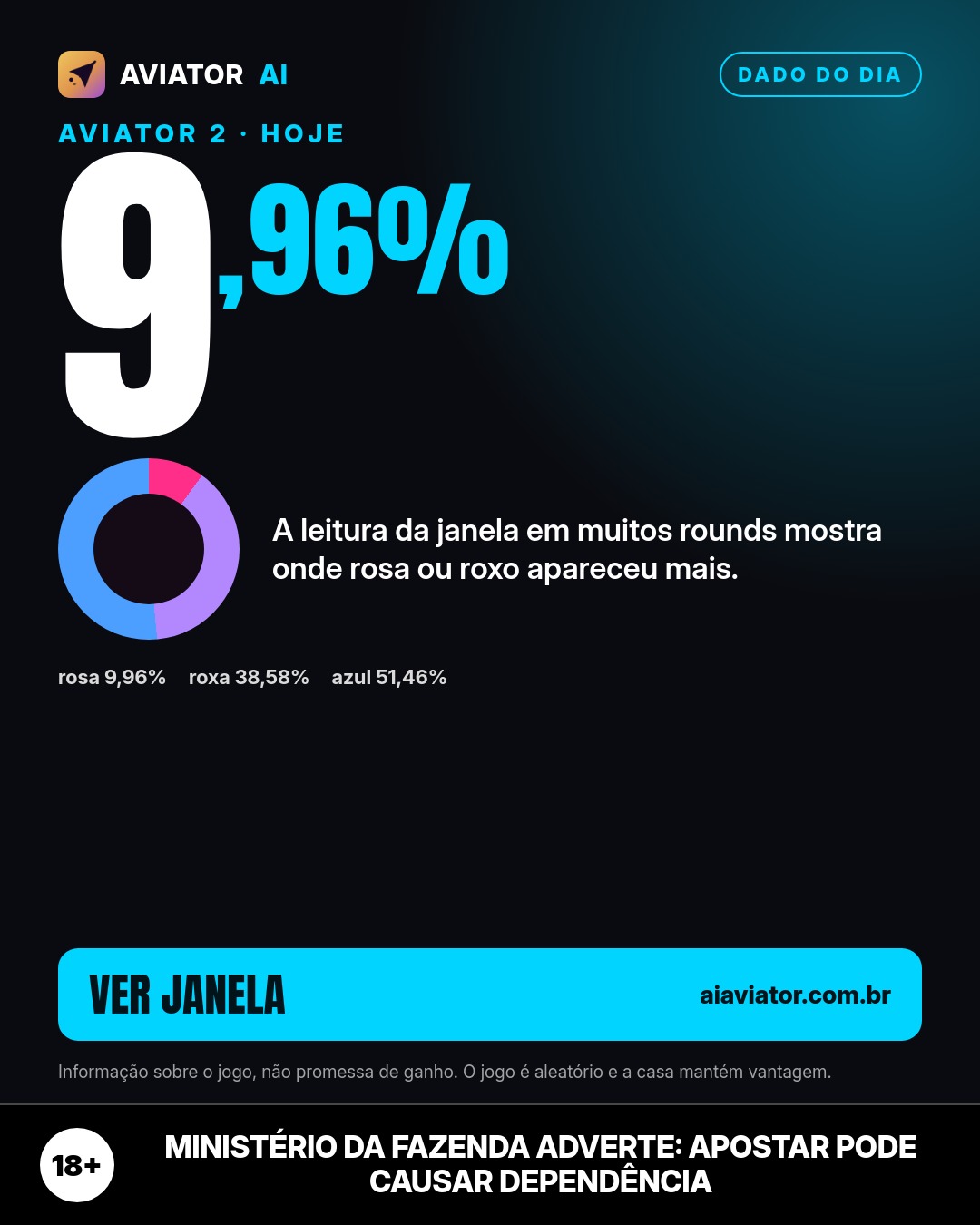 PT
PT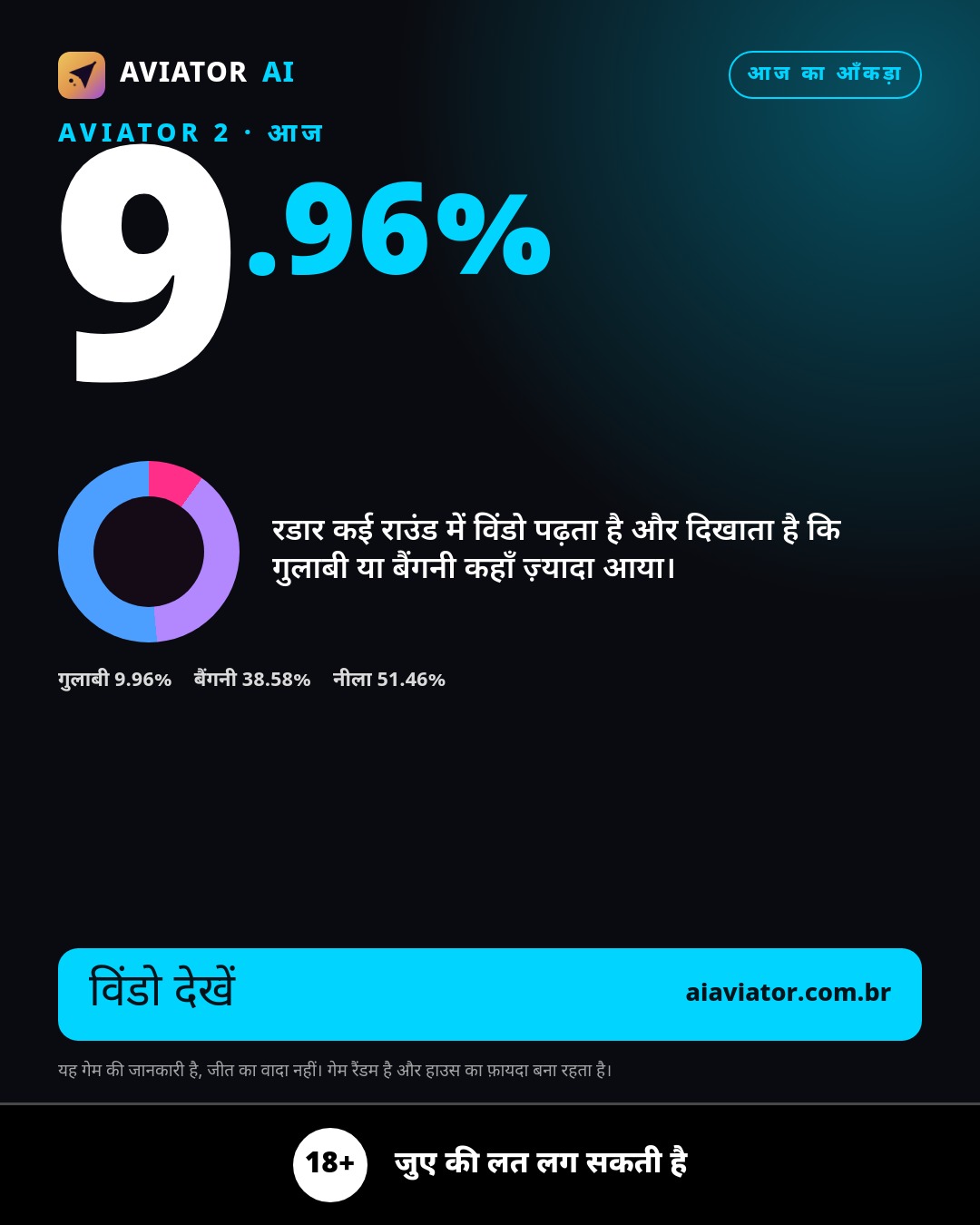 HI
HI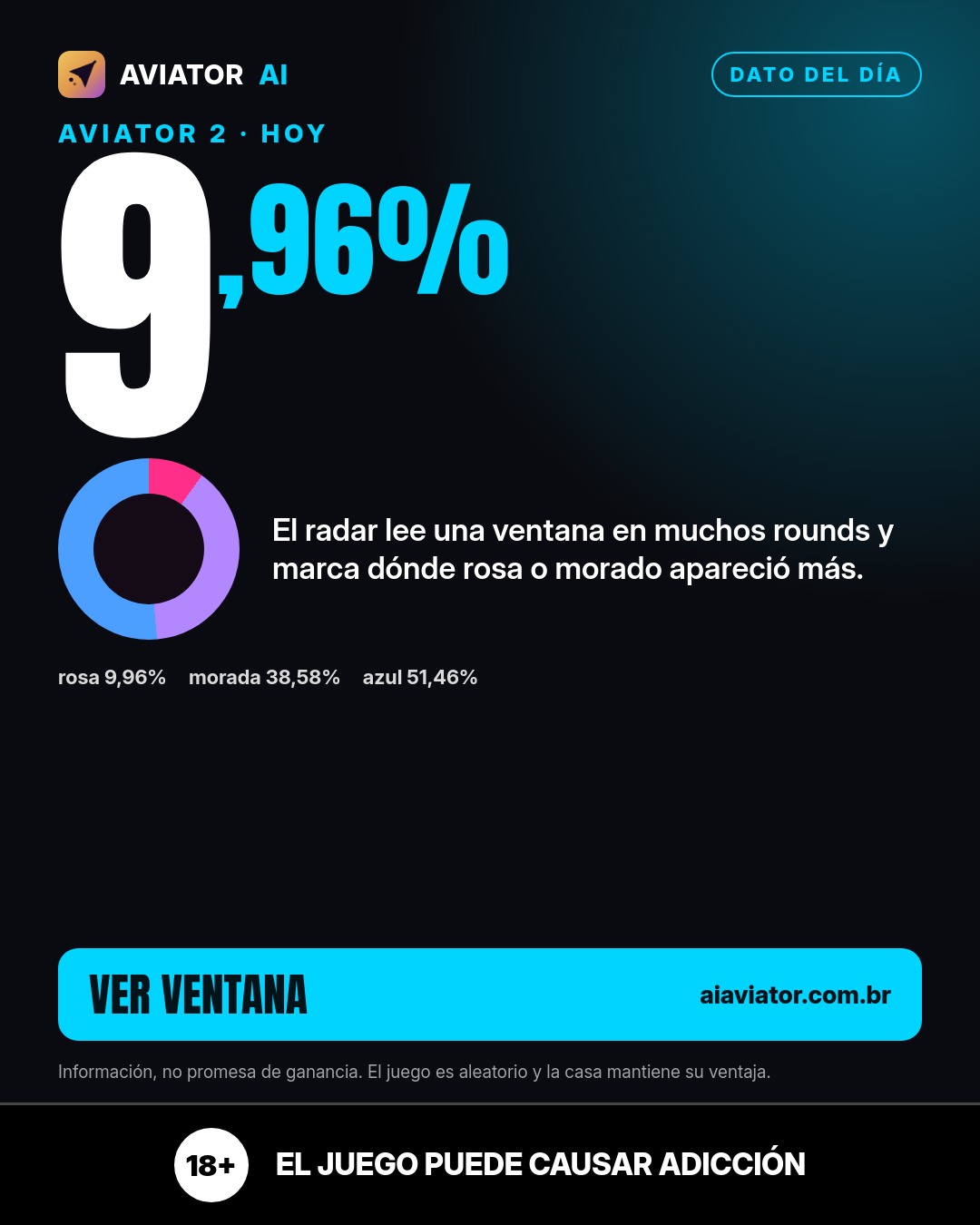 ES
ESThe reading of the window across many rounds shows where pink or purple appeared more often, and that is the central point of today's tip. Instead of looking at a single move, the radar organizes recent behavior to highlight what really drew attention within the measured period.
1. The value of the window across many rounds
When the reading considers many rounds, the view no longer depends on an isolated slice and starts observing recurrence. This helps separate an isolated event from a pattern that appears more frequently within the tracked window.
That is why today's tip insists on context. The radar reads the window to show where pink or purple appeared more often, and not to turn a single result into a rule. The strength lies precisely in comparing the observed set, not in fixating on the most striking move.
2. Pink and purple within the reading
In practice, pink and purple work as visual signals within the monitored window. The system's role is to show on which side the presence appeared more often in that slice, always based on what was measured over the rounds tracked.
This avoids hasty reading. Anyone who looks only at a single moment may think one tone dominates the entire session, but the window across many rounds shows whether that impression holds up or was just a point-in-time stretch. Today's hook goes in that direction: context before interpretation.
It is also worth noting the difference between observing and projecting. The radar describes what appeared more often within the window, while the user's decision must respect that each round is independent. The tip does not ask for magical reading; it asks for reading recent history.
3. What the tracking numbers show
Aviator AI monitoring has already tracked 1.326.672 rounds since measurement began, and has already generated 1.963.267 predictions. These numbers give a sense of the volume analyzed and explain why the window across many rounds matters in the radar reading.
The larger the observed history, the more sense it makes to work with an aggregated slice instead of an isolated event. Today's tip does not change the nature of the game, but it helps explain how the system organizes what was measured to show where pink or purple appeared more often within the tracked period.
In the app
In the app, this reading appears as a bridge between monitoring and the visual analysis of recent behavior. The idea is simple: gather what was measured in the window, highlight the presence of pink or purple, and make it easier to consult the pattern observed in the current slice.
- reading by window across many rounds
- visual highlight of pink and purple
- aggregated history for context
Responsible gaming is part of the conversation: 18+ and conscious use. This content is informational, describes what was measured and does not promise results.
Frequently asked questions
What does the window across many rounds show?
It shows where pink or purple appeared more often within the tracked slice.
How many rounds have been monitored since measurement began?
1.326.672.
How many predictions has the system already generated?
1.963.267.
Share