Define your limit per round and the exit before starting
Today's tip reinforces a simple point: enter the round with the limit and exit defined before the game begins. In Aviator AI, the reading is based on what has been measured, without improvisation at the decisive moment.
 HI
HI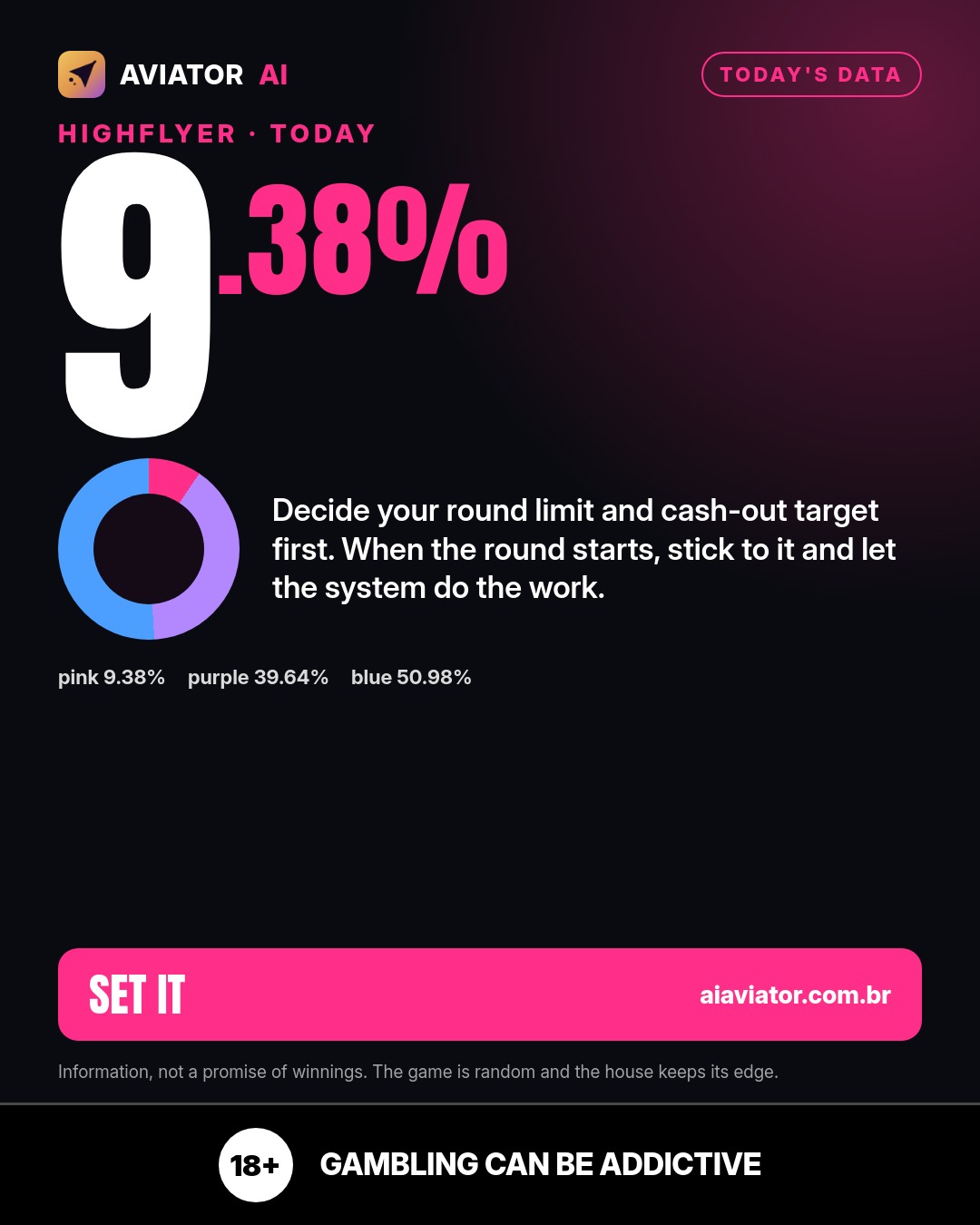 EN
EN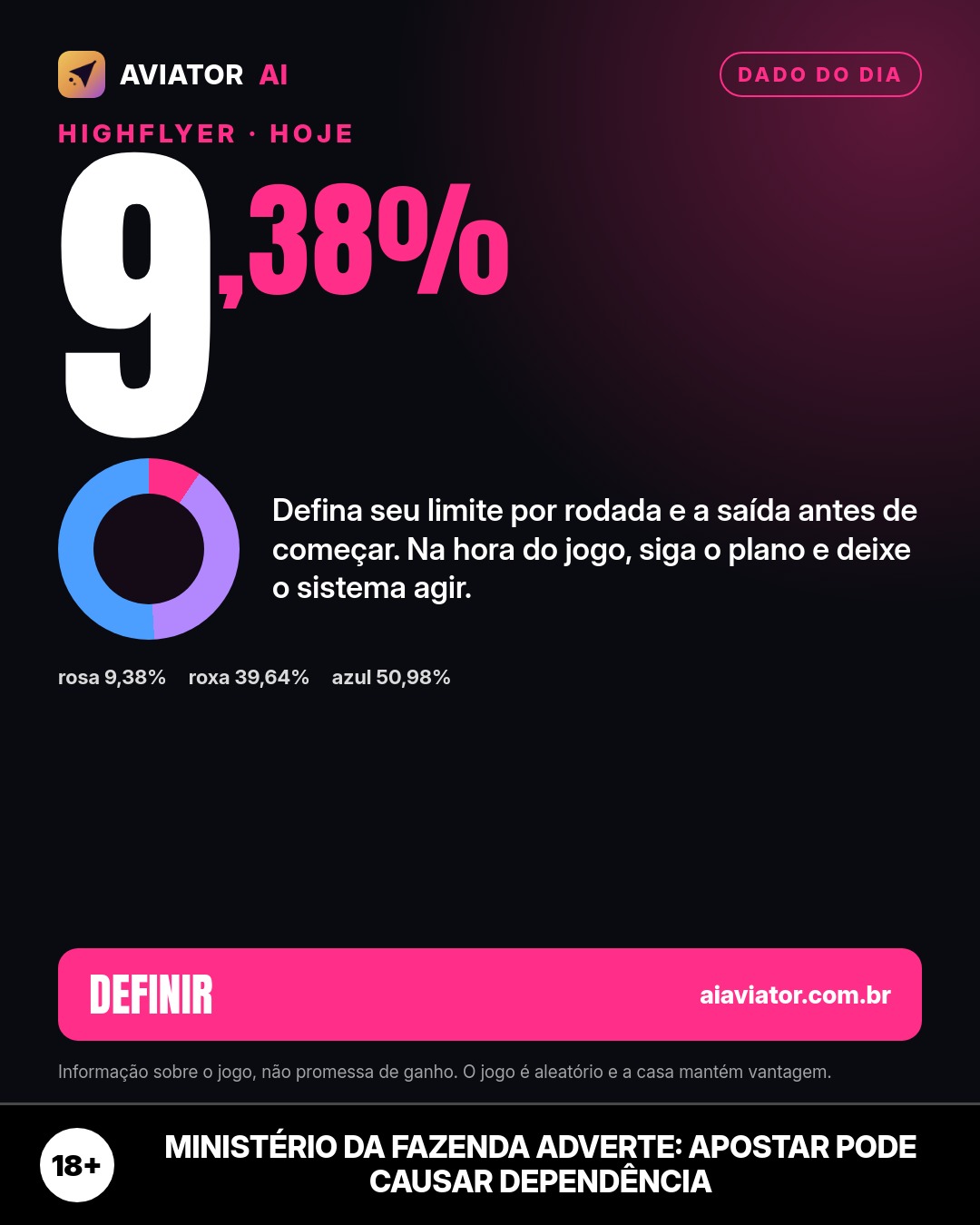 PT
PT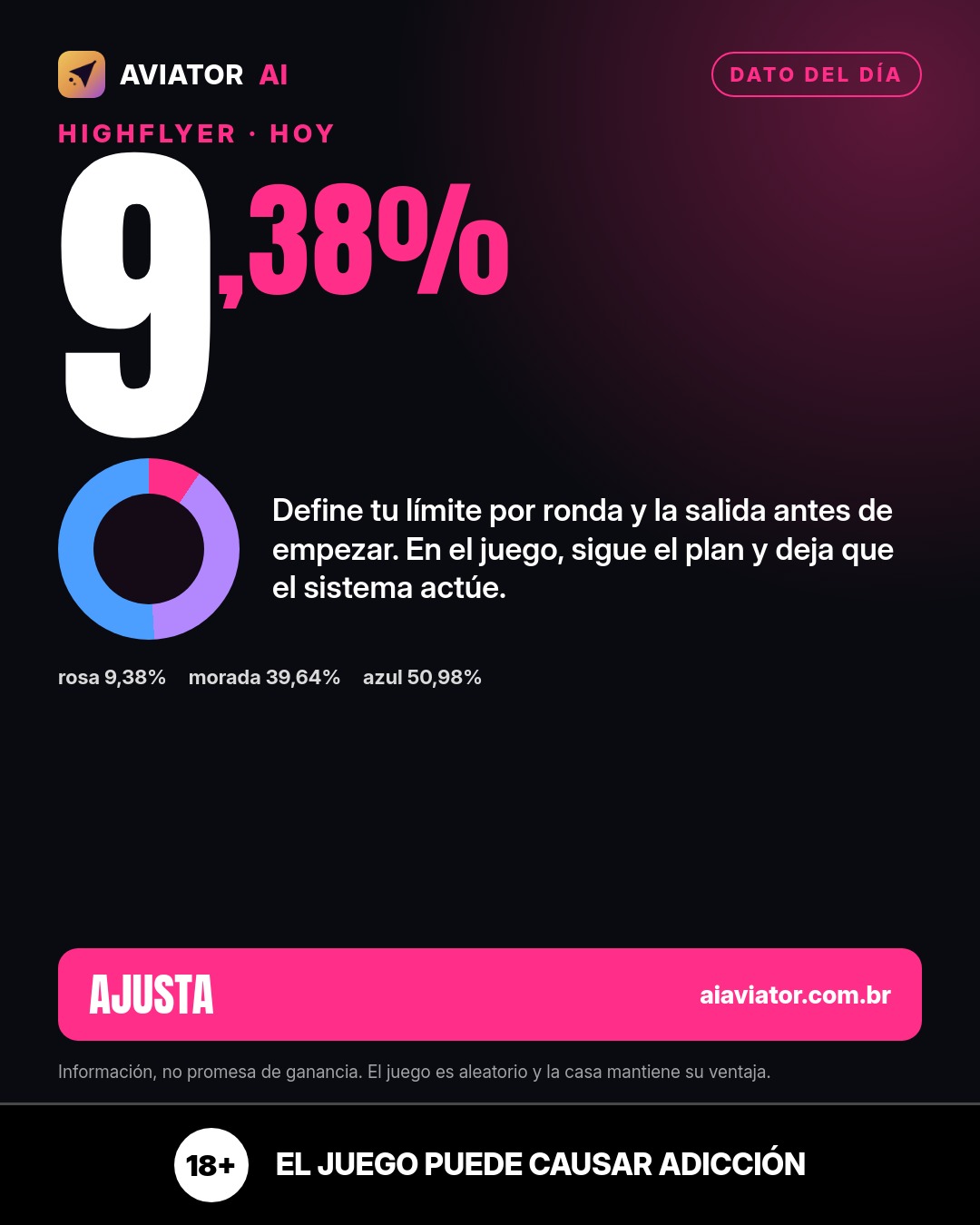 ES
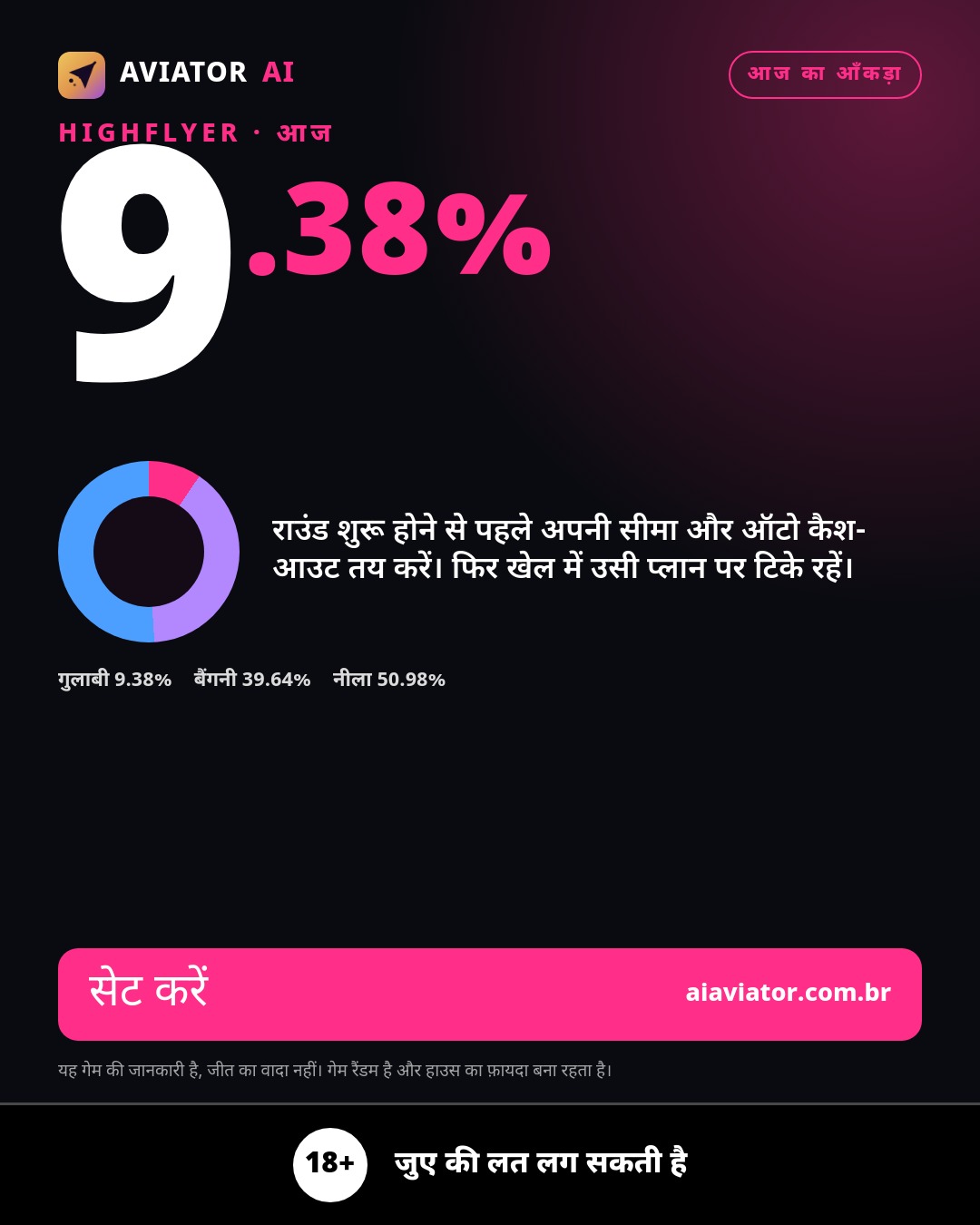
ESToday's tip is direct and practical: define your limit per round and the exit before starting. At game time, follow the plan and let the system act. This is the kind of discipline that helps take emotion out of the center of the decision and place what was agreed before the round opens.
1) Limit agreed before the round
The first point of the tip is simple: decide the limit before the round starts. This reduces the chance of changing your mind in the heat of the moment, when each move seems more important than it really is. The value stops being an impulse and becomes a rule that was already defined.
When a person enters the game without this clear limit, it becomes easier to confuse expectation with reading. Aviator AI's proposal is to keep the focus on what has been measured, not on what seems convenient in the middle of the round. That is where the strength of this guidance comes from: it organizes action before pressure appears.
By treating the limit as part of the plan, the user avoids unnecessary improvisation. This is not about future results; it is about posture. Today's tip exists to reinforce this preparation and to remind us that, in crash games, discipline begins before the round starts.
2) Exit defined before starting
The second part of the hook is the exit: define before the start at which point the plan should be followed. This helps reduce hesitation during the round and makes execution more objective. Instead of deciding on the spur of the moment, the person already enters with the next step aligned.
This adjustment matters because the moment in the game usually brings noise. When the exit has already been thought through beforehand, attention becomes less scattered and the decision stops depending on the excitement of the moment. Today's article expands exactly this idea: planning first, execution later.
In Aviator AI, the reading is made based on what has been monitored, and today's guidance naturally speaks to that: the plan is not born out of improvisation. It needs to be ready before the round, so that behavior during the round follows an already defined line.
3) Follow the plan and let the system act
The third part of the tip closes the reasoning: once the limit and the exit have been defined, the best path is to follow the plan and let the system act. This means trusting the reading that has already been prepared and avoiding changing everything in the middle of the process on impulse.
This approach fits well with the way Aviator AI works. The focus is on the behavior observed, not on promises about what comes next. For that reason, today's guidance values consistency: first define, then execute, and only then observe the result of the process.
For those who follow the daily series, the underlying message is the same: control begins before the click. When the plan is clear, the round stops being a terrain for improvisation and becomes a scenario in which reading and discipline have more room to act.
In the app
- Rounds monitored since the start of measurement: 1.376.791
- Forecasts generated: 2.029.042
- Follow Aviator AI's reading in the app and see the tip applied to what has been measured
Responsible gaming is a central part of this conversation. Content for those over 18 years old, with a focus on information and reading monitoring. Information about the game, not a promise of winnings. Past results do not determine future ones.
अक्सर पूछे जाने वाले प्रश्न
What is today's main tip?
Define your limit per round and the exit before starting.
What does the article recommend doing at game time?
Follow the plan and let the system act.
What context numbers does Aviator AI show today?
1.376.791 and 2.029.042.
शेयर करें